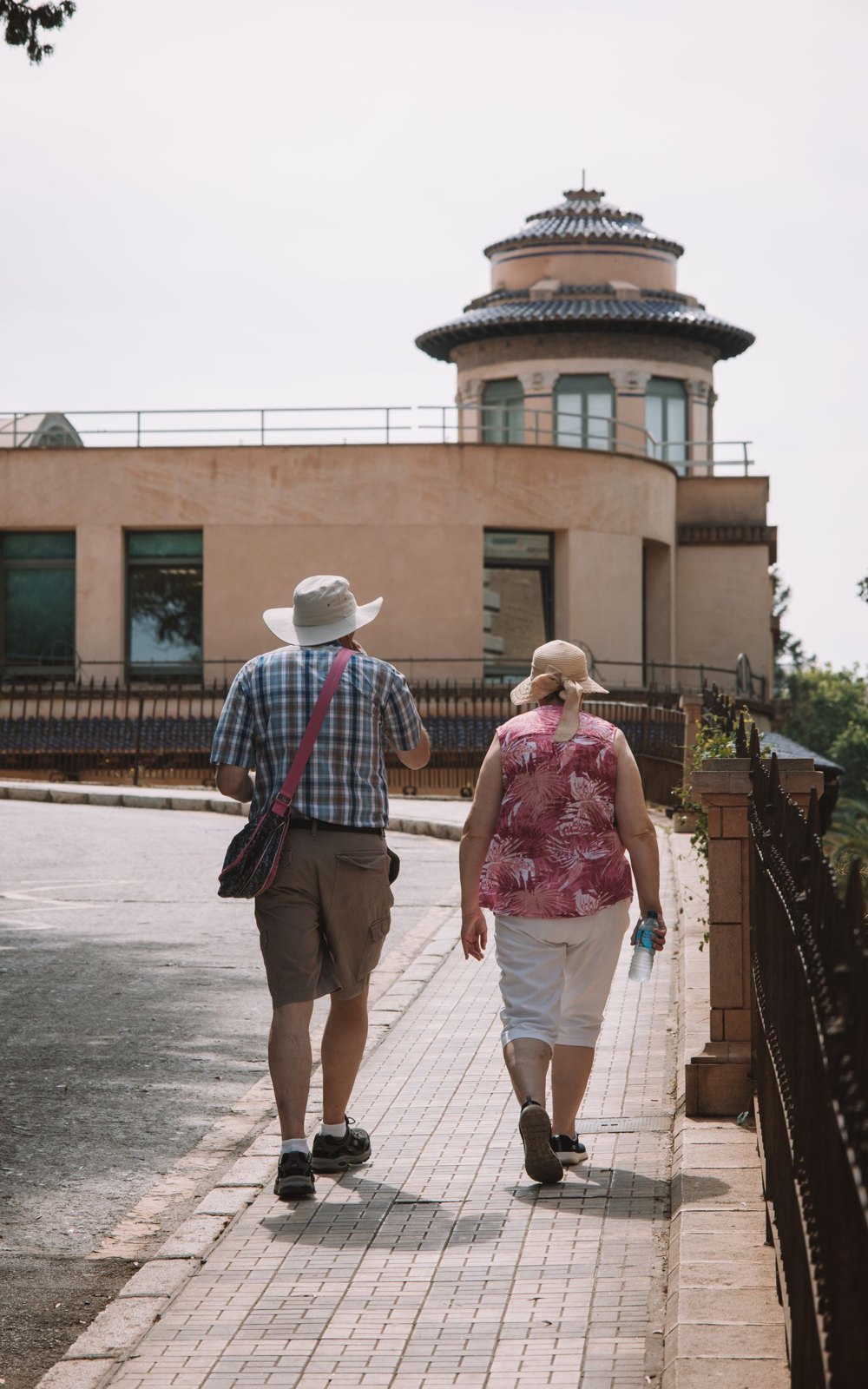
Taking an older relative on a city break starts with a conversation, not a list of presumed limitations. Ask what they want to see, what kind of walking feels comfortable and what makes a day tiring. Age alone tells you little about someone's interests or preferred pace.
Choose accommodation with the practical details in mind. If step-free access, an elevator or a particular bathroom arrangement matters, confirm the exact route and room features with the property. A general accessibility label may not answer the question you need answered.
Design a day with places to stop
Break a longer outing into sections with opportunities to sit, eat and use facilities. Do not assume that a park or attraction will have a convenient seat exactly where it is needed. Check the route, including slopes and the distance between transport and entrances.
One substantial visit can be enough for a day. Keep a nearby optional stop rather than a second commitment across town. If everyone feels energetic, add it; if not, the planned day still works.
Ask how much help is welcome. Taking over tickets, bags or decisions without asking can make a capable traveler feel managed rather than included. Share information and responsibilities in ways that suit the person.
A concrete way to compare two days
Imagine choosing between a morning museum followed by lunch nearby, and a day with a museum, a hilltop viewpoint and a restaurant across town. The second has more named experiences, but also more transitions. List the walking, waiting and transport involved in each before asking which sounds preferable. That gives your relative useful information rather than asking them to approve a vague description of a busy day.
If the viewpoint is the part they most want, make it the main outing on another day and remove something else. Do not automatically preserve the museum because it seems more conventional. Preferences should drive the itinerary after the practical requirements are understood.
A similar comparison helps with rooms. One property may have a lift but several steps before reaching it; another may have a longer corridor but a continuous step-free approach. Ask for details relevant to the traveler, including whether the described room is the one actually being reserved. Keep the written answer with the booking.
Make transitions easier
Allow time at stations and avoid unnecessarily tight changes. Keep essential confirmations accessible to more than one traveler. If assistance is needed, check the provider's booking process and lead time directly rather than assuming it can be arranged immediately on arrival.
Discuss meals and rest before the trip. An early dinner or a midday return to the accommodation may improve the whole experience. It may also suit you more than you expected. Avoid treating a break as lost sightseeing time.
For health-related needs, use the traveler's own professional advice and established arrangements. Do not improvise changes to medication or assume that a different climate will make an existing issue disappear.
The most useful plan preserves choice. Your relative should be able to decline an outing, suggest something different or spend an hour independently where appropriate. A shared city break works best when comfort is built into the logistics and the person remains a full participant in the decisions.