London's transport network makes distant attractions reachable, which can tempt you into an itinerary that is technically possible and unpleasant to follow. Three days work better when each has a geographical focus. Use transport to reach the day's area, then explore a manageable cluster rather than repeatedly crossing the city.
Start with your accommodation and the places you most want to see. A hotel near one useful line can matter more than a vague promise of being central. Check actual journeys, including station walking and changes, before assigning bookings.
Day one: Westminster and a river connection
Westminster can provide a recognizable introduction. Decide whether you want an interior visit or an outdoor walk, because those are different time commitments. Check official booking information for any attraction you intend to enter.
From there, choose a section of riverside or continue toward a nearby central area. Avoid attaching every famous London landmark to this first day. A meal and an unhurried walk are enough after a substantial visit, especially if you have recently arrived from another time zone.
Day two: South Bank and Bankside
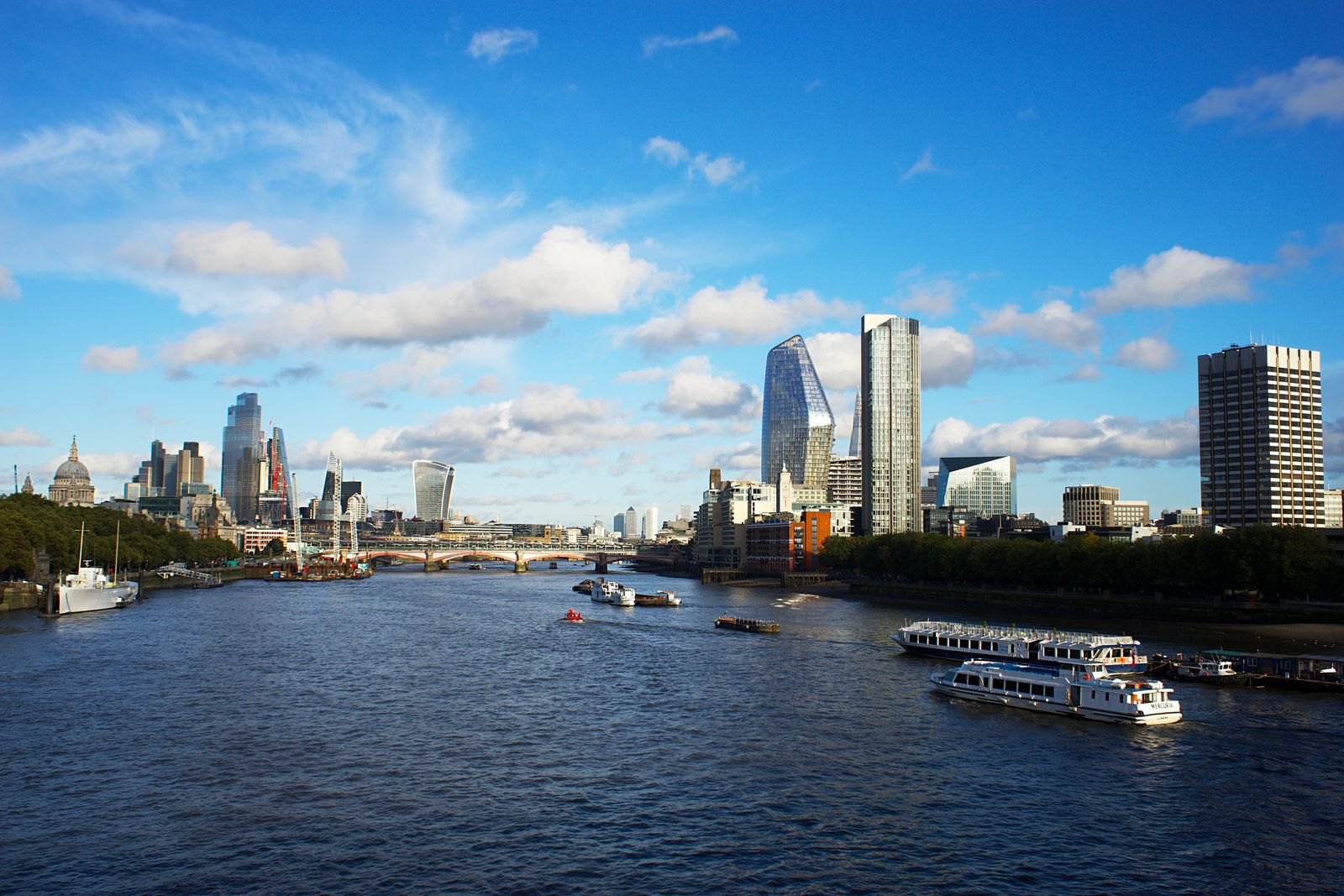
A route beginning around Waterloo can follow the river toward Bankside, with Tate Modern, the Globe area or Borough Market as possible interests. You do not need to enter every institution you pass. Select one anchor and use the others to orient the walk.
This day can shorten easily if the weather deteriorates. Choose an indoor stop that you actually want, then keep the next meal nearby. The river makes navigation simple, but it does not remove the distance between stops.
Day three: choose your London
Use the final full day for the area that matches your interests: a museum-focused outing, a neighborhood with shops and cafes, or a park and nearby streets. Group the choices geographically rather than constructing a greatest-hits list from opposite sides of the map.
For a departure day, reduce that plan further. Keep bags and onward travel in the calculation. An airport transfer is not just the train ride; it also includes reaching the station, finding the platform and allowing the required airport time.
Leave one evening relatively close to your base. London can offer a different activity every hour, but the ability to stop choosing is valuable too. A coherent three-day visit should leave you curious about a return, not relieved that the schedule is over.
Keep a small route sheet
For each day, write down the starting station or stop, the booked entrance if there is one, the meal area and the most convenient way home. This short route sheet is more useful on the street than a long document containing every possible attraction. Save the address of your accommodation separately so anyone in the group can return without the main planner.
If a station is closed or a line disrupted, reconsider the day as a whole. Sometimes a different route solves the problem; sometimes swapping two unbooked days is easier. Check accessibility along the replacement route if it matters. A journey with fewer minutes on the planner may still involve stairs, longer corridors or several changes.
Keep your first and last days especially forgiving. For example, a late arrival could support dinner and a short local walk, while the final morning might be enough for breakfast and collecting bags. Those are useful parts of a visit, but they should not be counted as two full sightseeing days.