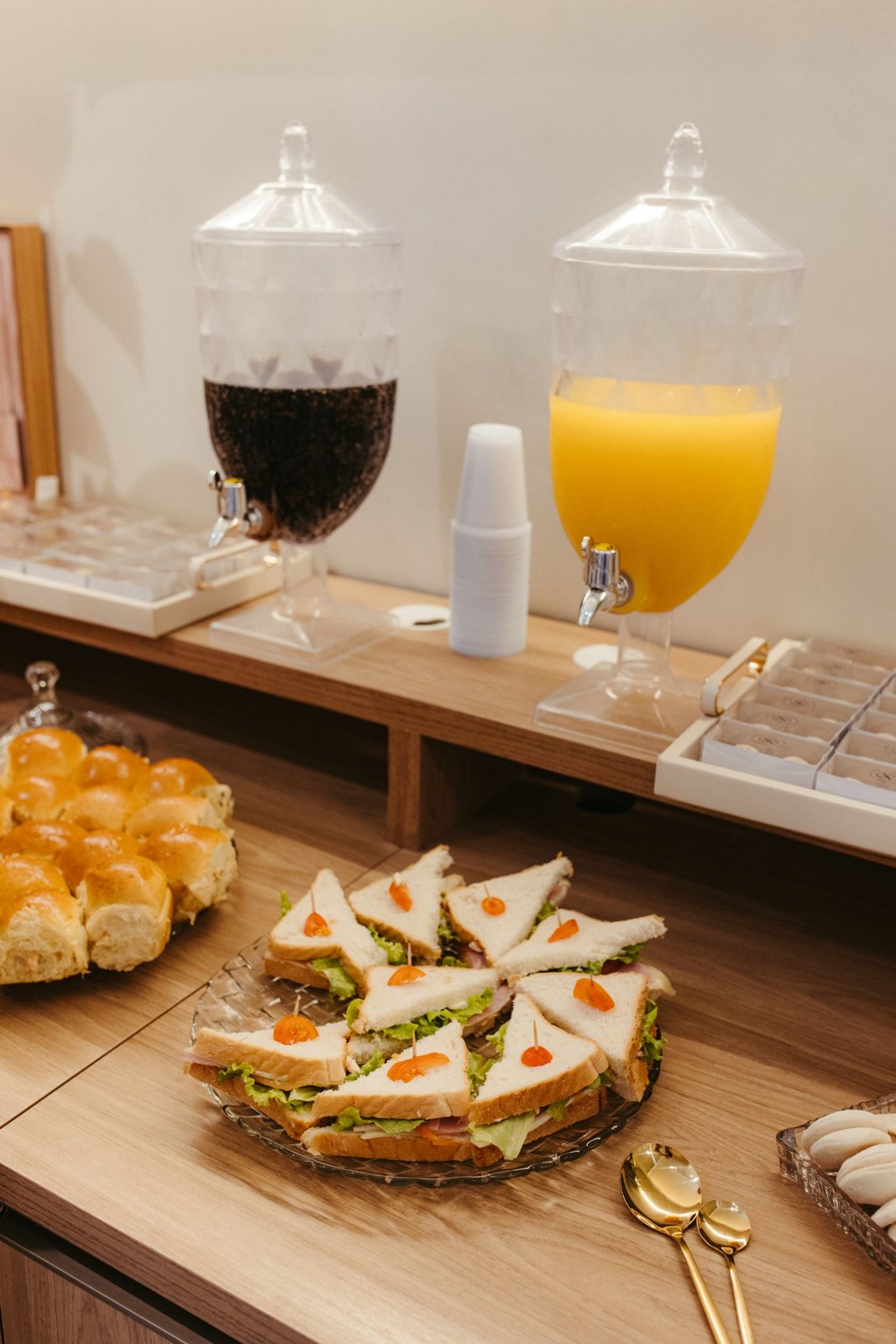
Hotel breakfast can simplify a busy morning, but it is poor value if you leave before it opens or only want a small snack. Compare the supplement with what you would actually eat and the time you have available.
Check whether the quoted price is per person, per room or included in a particular rate. Find out the serving hours, location and format. A buffet, a fixed plate and a takeaway bag are different arrangements. If dietary requirements matter, ask the property directly rather than assuming the photographs show suitable choices.
Count the mornings you can use
Suppose a hypothetical breakfast package adds $18 per person per night for a three-night stay. That is $54 per person. If the return flight means leaving before breakfast on the final morning, you may only use two meals, effectively spending $27 for each breakfast you attend. Ask whether you can book individual mornings or whether an early option is available before deciding.
For an alternative, look at a few nearby cafés and their actual opening hours. Include the walk, waiting time and the cost of what you would order. A café that is cheaper but opens after your tour begins is not useful for that day. Likewise, a long hotel buffet can consume time you hoped to spend exploring.
The best answer can differ by morning. Breakfast at the property may suit a departure day, while a relaxed neighborhood café can be part of the visit on a free day. You do not need one rule for the entire stay if the booking permits that flexibility.
Consider convenience as a real benefit. Traveling with children, meeting a group early or staying somewhere with few nearby options can make an on-site meal worthwhile. But avoid buying a higher room rate solely because breakfast is described as free; compare the complete rates and their cancellation conditions.
Choose the arrangement that supports the day. A meal you enjoy at a time that works is more valuable than an included service you feel obliged to use.