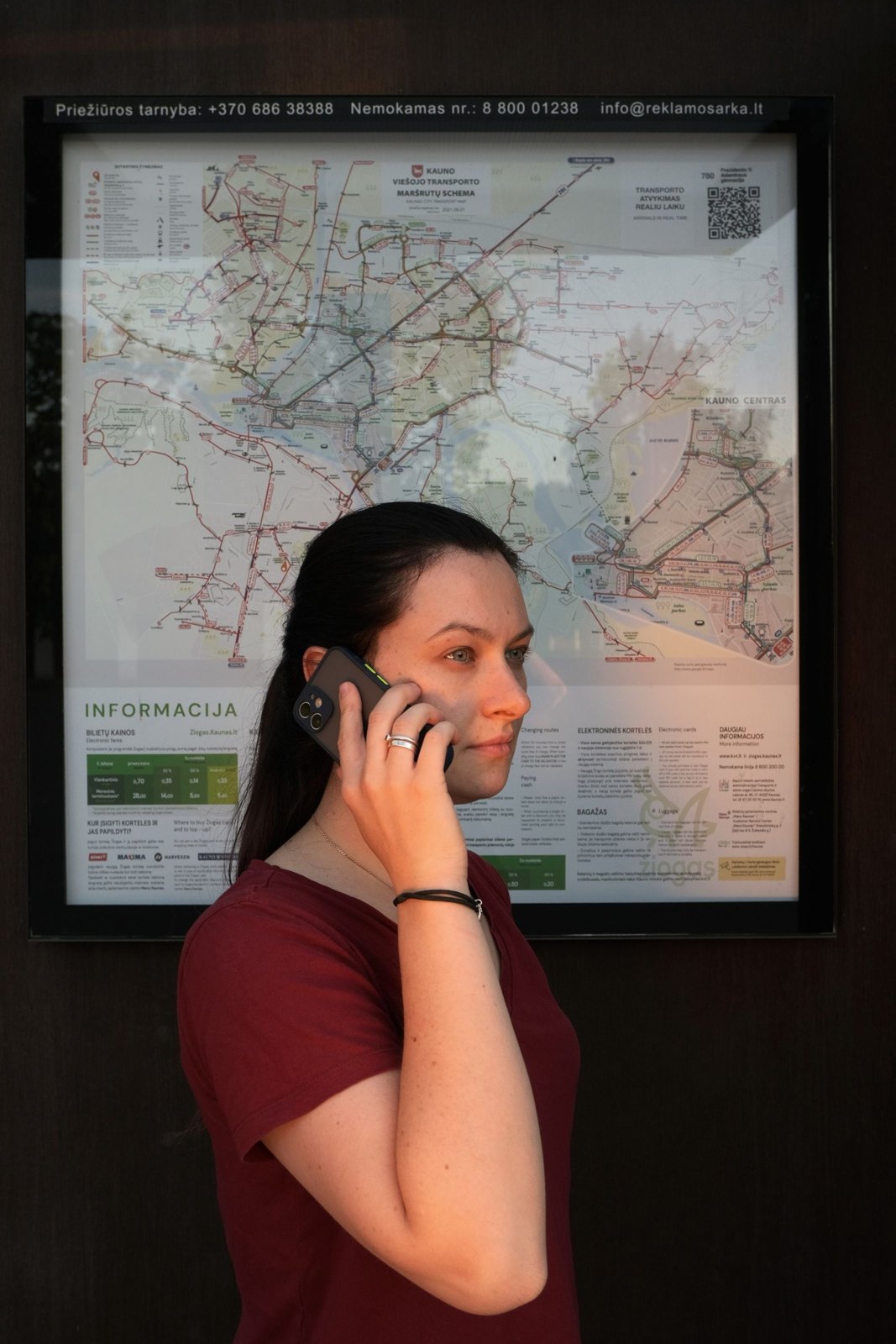
A travel-day contact plan should answer a simple question: if the journey changes or someone cannot get online, how will the people who need to know find out? A short agreement is usually more useful than several overlapping apps and a stream of unnecessary updates.
Choose one primary channel that everyone can use abroad. Check whether it needs mobile data, Wi-Fi or an active phone number. Save important numbers with the appropriate country codes and keep a copy outside the phone if losing the device would leave you without a way to contact anyone.
Agree on meaningful moments to send a message, such as reaching the accommodation or arriving at a meeting point. Avoid promising updates during every connection, particularly when a tight transfer or border procedure may make that inconvenient.
Explain what silence means
Tell the person at home that a late message can result from a flat battery, poor signal or a delayed journey. Agree on a sensible interval and the next step if they cannot reach you, based on the trip's circumstances. Share the essential itinerary and accommodation contact details with someone you trust, not publicly.
Within a traveling group, decide where to meet if people become separated. Use a specific location and a time, and make sure everyone can reach the accommodation independently if that is appropriate for the group. Children and travelers who need support require arrangements suited to them, not a generic adult plan.
Keep booking support contacts separate from personal contacts. If a train is canceled, the operator can explain options; a relative at home may simply need to know you will arrive later. Giving each person the information they can use avoids a confusing chain of messages.
Review the plan after any major itinerary change. A contact note pointing to yesterday's hotel is not helpful. Once you have arrived, send the agreed message and return to the trip. The purpose of the arrangement is reassurance and coordination, not continuous monitoring.